
Publish exact shift patterns, approved compensation, and realistic task descriptions. Separate production experience from equipment-specific training, and explain the first weeks of learning. Keep recruiters aligned with supervisors so applicants receive the same account of the work at every stage.
Translate the production role into clear tasks
Name the work area and explain what the employee produces, checks, moves, or records. Specify whether the position involves assembly, machine operation, inspection, packaging, maintenance support, or several activities. The Bureau of Labor Statistics describes assemblers as building products and components, with qualifications varying by work; your listing should clarify the process at your facility.
Ask a supervisor to review the description against an ordinary shift. Include the tools, work instructions, and quality checks a candidate will encounter without disclosing sensitive production information. Explain the work environment accurately and describe task requirements rather than using broad claims about the type of person who fits the floor.
Make shift and training arrangements explicit
Publish start and finish times, rotation patterns, weekend expectations, and approved base pay. Explain shift differentials separately. State whether training occurs on another shift and when a new employee would move to the advertised schedule. Identify the worksite and any travel between facilities so candidates can assess the commute.
List the knowledge required on arrival and the training your team provides. If the role involves a formal apprenticeship, describe the actual program and entry route; Apprenticeship.gov offers employer information for exploring that model. Avoid describing routine orientation as an apprenticeship when no such program exists. Give a realistic account of how skills are practiced and reviewed.
Build a reliable supervisor handoff
Prepare recruiter notes covering the role, shift, training, and the supervisor who can answer technical questions. Use job-related conversation prompts about following a work instruction, noticing a discrepancy, or asking for clarification. If a tour or assessment is part of selection, explain the format and organize it through the appropriate facility contact.
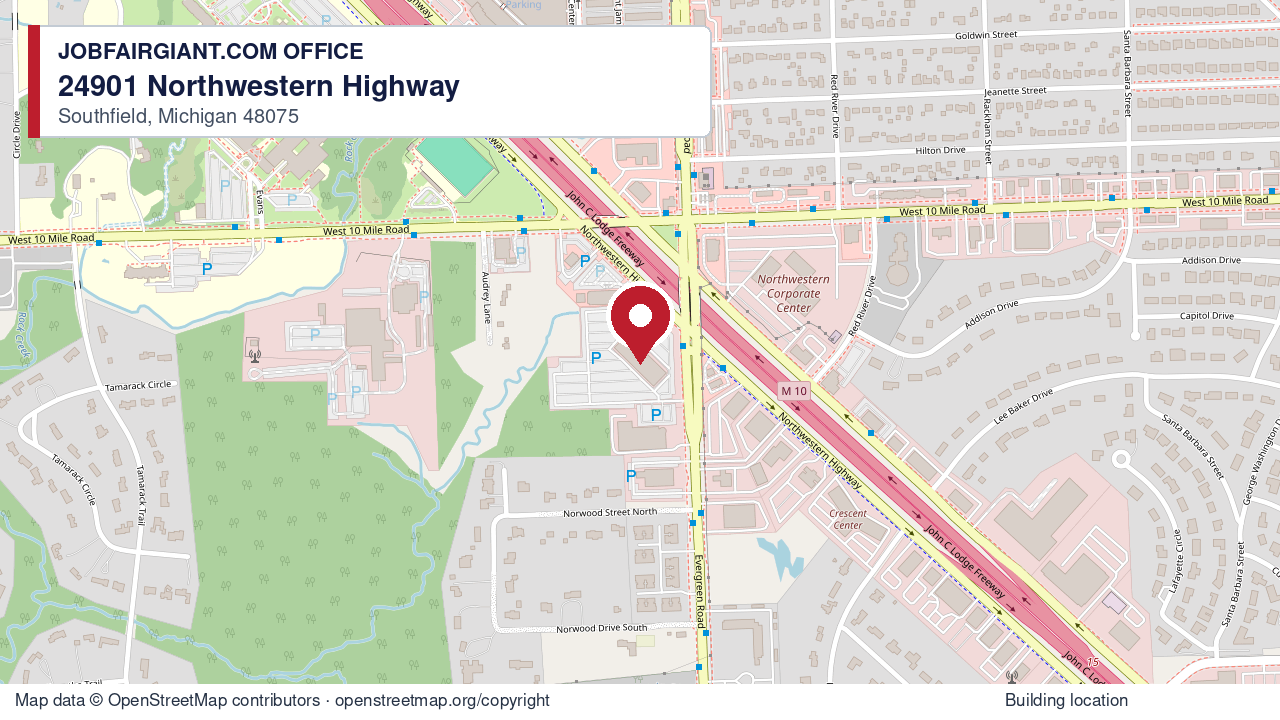
Reserve interview and review time with the production team before launching advertisements. Provide candidates with arrival directions and a named contact. After interviews, compare the questions candidates asked with the information in the listing. Revise unclear points and close filled openings promptly. A manufacturing campaign works more coherently when recruiting and production share one current description of the job and a clear responsibility for every next step.
Your next-step checklist
- Name the process, tasks, and production worksite.
- Show shifts, rotation, differentials, and training hours.
- Separate starting knowledge from equipment-specific instruction.
- Reserve supervisor time for candidate questions and review.
Questions people ask
Should all manufacturing openings require industry experience?
Assess the tasks in each opening. Some need prior technical preparation; others can include structured training. State the actual starting requirements rather than applying one rule to every role.
Can recruiters answer technical questions at a fair?
Prepare answers to common questions and identify a supervisor for anything outside the recruiter's knowledge. Record the question and arrange a follow-up instead of improvising.
Sources & useful resources
- Bureau of Labor Statistics — Assemblers and Fabricators ↗
- Apprenticeship.gov — Resources for Employers ↗
Sources checked for this October 17, 2026 edition. This guide combines linked public resources with practical editorial recommendations. Job listings, programs and event details can change.
Published by JobFairGiant.com, which promotes its own hiring events and MichiganHired.com job-posting services. Read our editorial standards and corrections policy.